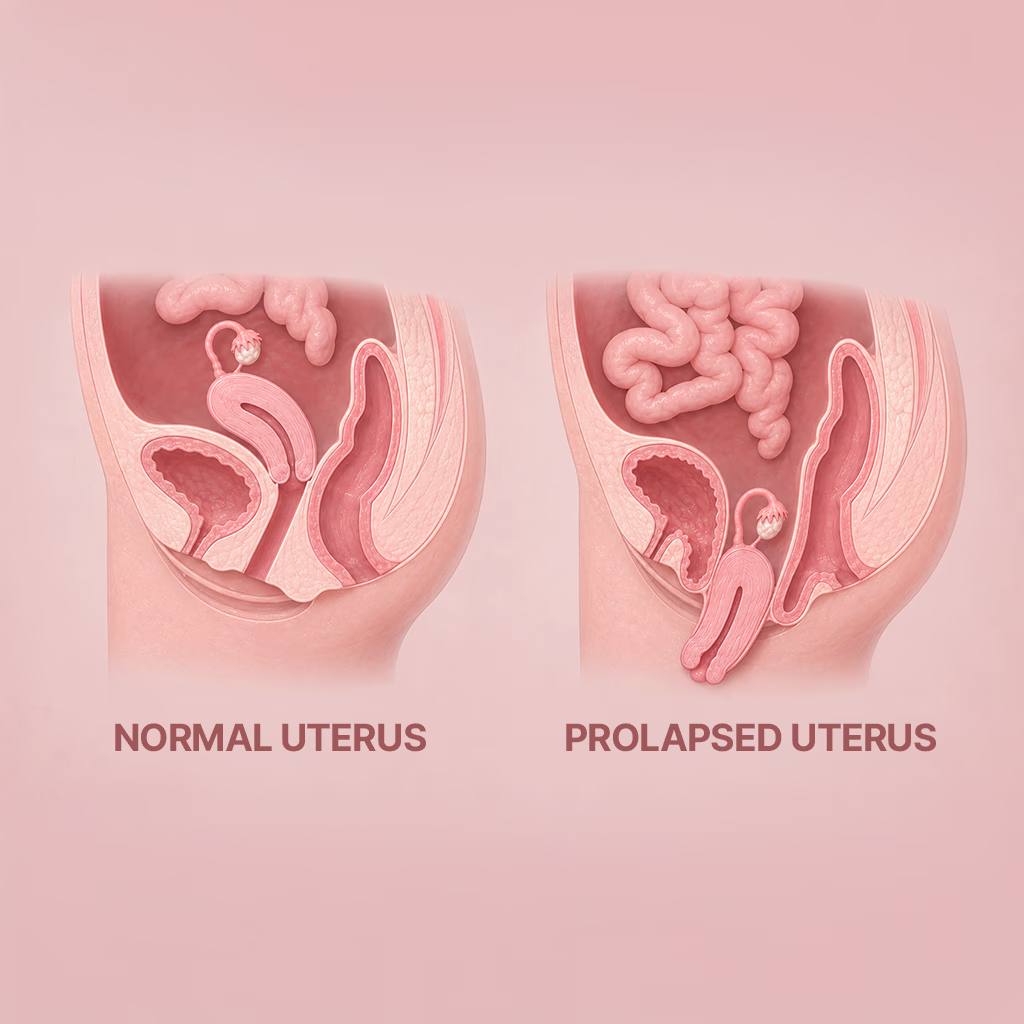
About uterine prolapse
Uterine prolapse is a condition where the uterus descends from its normal position into the vaginal canal due to weakness of pelvic floor muscles and supporting ligaments. It can range from mild sagging to complete prolapse, where the uterus protrudes outside the vaginal opening. This condition commonly affects women who have had multiple vaginal deliveries, chronic constipation, obesity, or menopause-related hormonal decline. Timely diagnosis and treatment are essential to prevent discomfort and restore pelvic health.
Causes & risk factors
- Repeated childbirth or traumatic deliveries
- Menopause (low estrogen weakened pelvic tissues)
- Chronic cough or constipation
- Obesity and heavy lifting
- Connective tissue disorders
- Prior pelvic surgeries
Symptoms
- Feeling of heaviness or pressure in the pelvis
- Bulge or protrusion in the vaginal area
- Backache and pelvic pain
- Urinary symptoms — incontinence, retention, or frequency
- Constipation or difficulty passing stool
- Discomfort or pain during sexual intercourse
Diagnosis
Diagnosis is made through a pelvic examination by a gynecologist and may be supported by:
- Ultrasound or MRI for pelvic organ support assessment
- Urodynamic studies to check bladder function (if urinary symptoms exist)
Impact on quality of life
If untreated, uterine prolapse can lead to persistent pelvic pressure, urinary and bowel problems, and sexual dysfunction, significantly affecting emotional wellbeing, body image, and daily comfort.
Timely treatment restores pelvic health, comfort, and confidence — don't let prolapse affect your quality of life.
Treatment options
01 Conservative (non-surgical) treatment
For mild cases, non-surgical approaches can provide relief and support:
Pelvic Floor Exercises (Kegels)
Strengthen muscles to support the uterus and improve pelvic floor function.
Pessary Devices
Silicone rings inserted into the vagina to mechanically support the uterus and prevent further descent.
02 Surgical treatment
Surgery is recommended when symptoms are moderate to severe or conservative options fail.
Vaginal Hysterectomy with Vault Suspension
In cases where fertility is not required, the uterus is removed vaginally, and the vaginal vault is supported using sutures or ligaments such as uterosacral or sacrospinous fixation.
Advantages: Time-tested procedure, effective in advanced prolapse.
Limitations: Longer recovery, more postoperative discomfort, may shorten vaginal length.
Manchester (Fothergill's) Repair for Fertility Preservation
A traditional uterine-sparing technique for mild-to-moderate prolapse in women who wish to preserve their uterus and fertility.
Procedure
01 Cervical correction
The elongated cervix is partially amputated to correct its length and restore normal anatomy.
02 Ligament support
The uterosacral ligaments are brought forward and attached to the front of the cervix, providing strong upward support.
03 Vaginal wall reinforcement
The vaginal walls are tightened if necessary to reinforce the pelvic floor.
Indications: Uterine prolapse in young women desiring future pregnancy, cervical elongation with uterine descent, mild to moderate uterovaginal prolapse, failure of conservative treatments.
Expected Benefits: Uterus-preserving (allows future childbirth), restores normal anatomy and vaginal length, improves pelvic support, enhances sexual function and comfort.
Laparoscopic surgical techniques
Modern laparoscopic surgery has revolutionized prolapse management by offering faster recovery, better anatomical correction, and minimal scarring.
01 Laparoscopic Sacrocolpopexy (Akar's Maneuver)
The gold standard for post-hysterectomy vault prolapse. A synthetic mesh is fixed to the vaginal vault and attached to the sacral promontory laparoscopically, restoring the natural vaginal axis. The mesh is then covered with peritoneum to prevent adhesions.
Advantages: Strong and long-term support, maintains vaginal length and axis, minimal blood loss, quick recovery and reduced recurrence.
02 Laparoscopic Sling Surgery / Uteropexy (Khanna's Maneuver)
This fertility-preserving procedure is ideal for young women with uterine prolapse who wish to retain their uterus. The uterus is elevated and suspended using a mesh or non-absorbable sutures to the anterior abdominal wall or sacral promontory.
Advantages: Uterus preservation for future pregnancies, short hospital stay and minimal discomfort, improved cosmetic and functional results.
03 Laparoscopic Cervicopexy
The cervix is suspended to the sacral promontory using a synthetic mesh while preserving the uterus.
Benefits: Uterus-preserving, minimal scarring, durable correction, early return to normal activities.
Advantages of laparoscopic prolapse surgery
Small incisions and minimal blood loss
Less postoperative pain
Early mobility and discharge
Quick recovery and return to routine
Better cosmetic appearance
Preservation of vaginal length and function
Excellent anatomical results
Why choose Dr Rama Sofat Hospital
At Dr. Rama Sofat Hospital, we specialize in advanced laparoscopic prolapse repair including Sacrocolpopexy, Sling Surgery, and Cervicopexy. Our team is trained in Akar's and Khanna's maneuvers, ensuring precision, safety, and world-class results.
State-of-the-art 4K HD laparoscopy technology
Fertility-preserving surgical options
Rapid recovery and superior functional outcomes
Compassionate post-operative care