Laparoscopic Tubal Surgeries · Ludhiana, Punjab

Laparoscopic Adhesiolysis

A minimally invasive surgical procedure to remove adhesions — bands of scar tissue that distort pelvic anatomy, cause pain, and lead to infertility — restoring normal organ mobility and improving reproductive function.

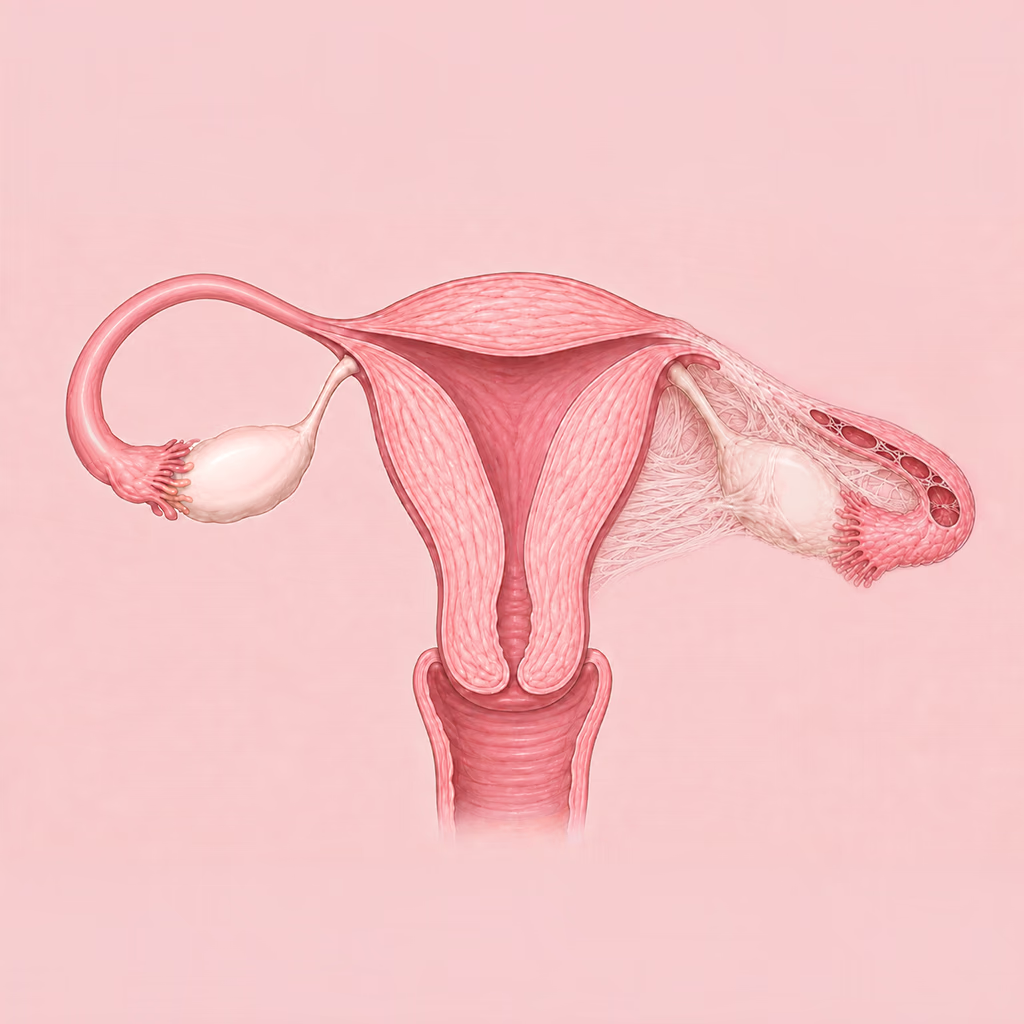
Understanding laparoscopic adhesiolysis

Laparoscopic adhesiolysis is a minimally invasive surgical procedure performed to remove adhesions — bands of scar tissue that form between internal organs, most commonly around the uterus, ovaries, fallopian tubes, and intestines. These adhesions can distort pelvic anatomy, cause pelvic pain, and lead to infertility. By carefully separating these adhesions, the surgeon restores normal organ mobility and improves reproductive function.

Indications

  • Infertility due to tubal blockage or pelvic adhesions
  • Chronic pelvic pain or deep dyspareunia
  • Post-surgical adhesions following C-section, appendectomy, or pelvic surgery
  • Adhesions due to infections, such as pelvic inflammatory disease (PID)
  • Endometriosis-related adhesions
  • Adhesions causing bowel or bladder involvement

Diagnosis

Adhesions cannot usually be seen on ultrasound or MRI directly, but may be suspected in:

  • Women with a history of pelvic surgery or infection
  • Tubal blockage seen on HSG or sonosalpingography
  • Laparoscopy with chromopertubation, which remains the gold standard for diagnosis and treatment
  • MRI pelvis may suggest adhesions by showing organ fixation or distortion

How the procedure is performed

Laparoscopic adhesiolysis is performed under general anesthesia.

01

Incision

Small keyhole incisions are made in the abdomen.

02

Visualization

A laparoscope (camera) is inserted to visualize the pelvic organs.

03

Dissection

Adhesions between tubes, ovaries, uterus, and bowel are carefully cut using fine scissors, electrosurgical or laser instruments.

04

Restoration

Normal anatomy is restored, and the tubes are checked for patency (chromopertubation).

05

Prevention

Adhesion barriers or special gels may be applied to minimize recurrence.

Traditional open adhesiolysis: In select cases, adhesiolysis can be performed through a mini-laparotomy (open approach), though it involves larger incisions, more pain, and longer recovery time compared to laparoscopy.

Expected benefits

Relief from chronic pelvic or abdominal pain
Restoration of normal reproductive anatomy
Improved natural conception rates
Reduced risk of bowel obstruction or organ tethering
Faster recovery and minimal scarring with laparoscopic technique

Fertility considerations

  • Laparoscopic adhesiolysis can significantly improve fertility outcomes in women whose infertility is caused by pelvic adhesions.
  • If severe tubal or ovarian damage exists, IVF may still be needed, but chances improve after adhesiolysis.
  • Proper post-operative care, physiotherapy, and anti-adhesion measures help maintain long-term fertility benefits.

When to see a doctor

  • Difficulty conceiving for more than a year
  • Persistent pelvic pain, especially after prior surgery or infection
  • Painful intercourse or menstrual discomfort
  • Ultrasound showing hydrosalpinx or distorted adnexa
  • Repeated IVF failures where adhesions are suspected

Myths vs facts

Myth

Fact

Adhesions are harmless and don't affect fertility.
Pelvic adhesions can distort tubes and ovaries, severely impacting natural conception.
Adhesions always recur after surgery.
With gentle laparoscopic handling and use of anti-adhesion barriers, recurrence can be minimized.

Frequently asked questions

Is laparoscopic adhesiolysis painful?

The procedure is performed under anesthesia and is generally well-tolerated with minimal post-operative discomfort.

How soon can I try for pregnancy after surgery?

Usually after 6–8 weeks, once healing is complete and tubes are patent.

Can adhesions come back?

There's a small risk, but experienced surgical technique and proper prevention help reduce it.

Is it better than open surgery?

Yes, laparoscopy offers better visualization, precision, and faster recovery with less pain.

Why choose Dr. Rama Sofat Hospital

Over 55+ years of expertise in women's health and fertility care
Advanced laparoscopic and fertility surgical setup
Specialized surgeons in reproductive microsurgery
High pregnancy success rates after adhesiolysis
Comprehensive pre- and post-operative fertility care

Book your consultation

If you are experiencing pelvic pain, infertility, or suspect pelvic adhesions, book your consultation at Dr. Rama Sofat Hospital, Ludhiana.

Book Now