
Fertility Diagnostics

Female Fertility Tests

If a couple is unable to conceive after 6–12 months of regular unprotected intercourse, it's important to evaluate both partners. Around 30–40% of infertility cases involve the female partner.

At Dr. Rama Sofat Hospital, Ludhiana, we offer comprehensive female fertility tests to identify the root cause and create a personalised treatment plan.

Diagnostic Investigations

01

Hormonal Blood Tests

A simple blood draw checks the key hormones that control your cycle, egg supply, and ovulation. We test:

  • AMH — how many eggs you have left (ovarian reserve)
  • FSH — whether your ovaries are working efficiently
  • LH — whether you're ovulating at the right time
  • Estradiol (E2) — estrogen levels and how your follicles are developing
  • TSH, Prolactin & thyroid profile — rules out thyroid or hormonal imbalances that can silently affect fertility
02

Ovulation Tests

Determines whether the woman is ovulating regularly.

  • Ultrasound Follicular Monitoring: Tracks egg growth and ovulation timing.
  • Progesterone Test (Day 21): Confirms ovulation has occurred.
03

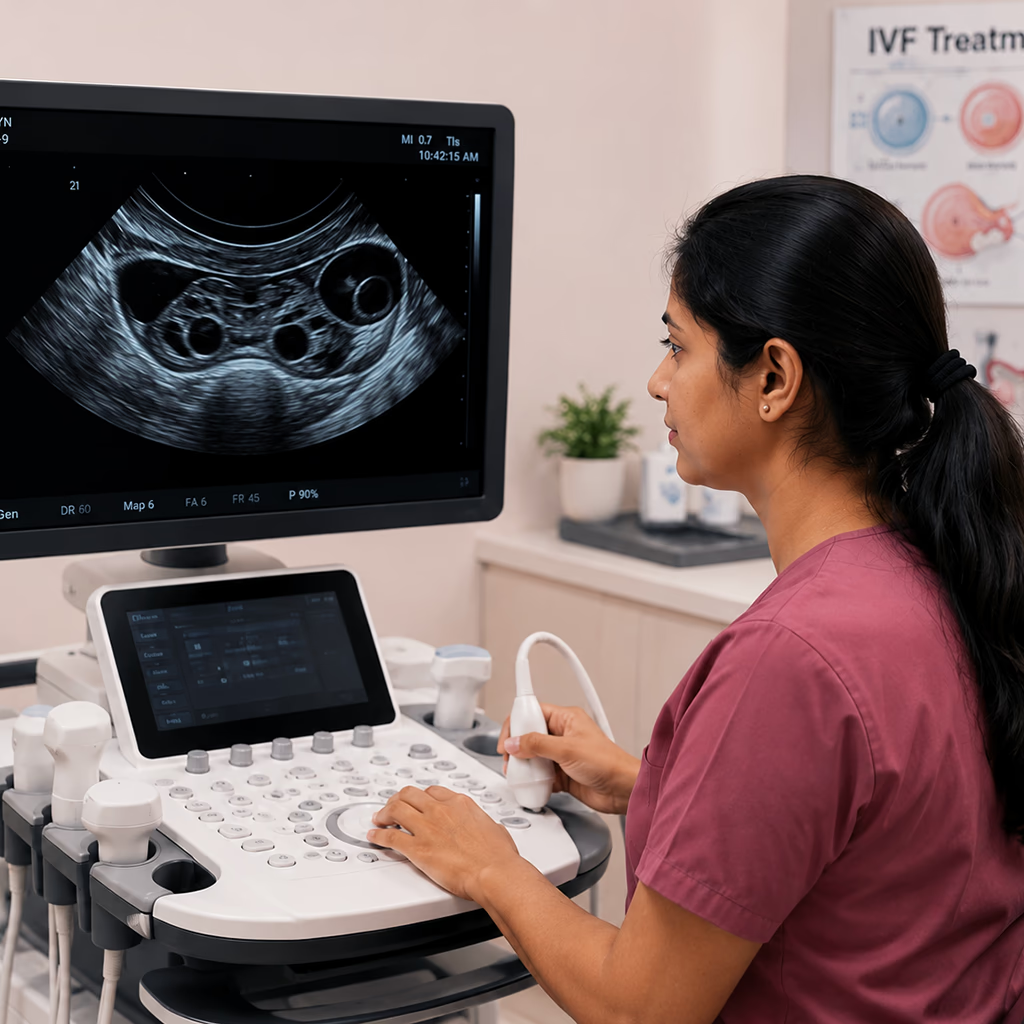
Ultrasound / Pelvic Scan

A transvaginal ultrasound evaluates:

  • Uterine shape and lining (endometrium)
  • Ovarian cysts, PCOS, or fibroids
  • Antral follicle count (AFC) for ovarian reserve
04

Hysterosalpingography (HSG)

An X-ray test where contrast dye is used to check if fallopian tubes are open and uterine cavity is normal. It's a key investigation for tubal factor infertility.

05

Sonohysterography (SIS) / Saline Infusion Scan

This ultrasound test provides a clearer view of the uterine cavity to detect polyps, fibroids, adhesions, or septum.

06

Hysteroscopy

A thin telescope-like camera is inserted through the cervix to directly visualize the uterine cavity. It helps diagnose and treat:

  • Uterine polyps or fibroids
  • Adhesions or septum
  • Endometrial abnormalities
07

Laparoscopy

A keyhole surgical test that allows direct visualisation of the uterus, tubes, and ovaries. It detects:

  • Tubal blockages
  • Endometriosis
  • Pelvic adhesions
  • Ovarian cysts
08

Infectious Disease Screening

Checks for infections that may affect fertility or pregnancy:

  • Rubella, HIV, Hepatitis B and C, VDRL, TORCH panel

Frequently Asked Questions

Is infertility always permanent?
Not at all. With modern fertility treatments, most couples can achieve pregnancy once the cause is identified and treated.
How long should we try before seeing a doctor?
If you're under 35, seek evaluation after 1 year of trying. If you're over 35, consult after 6 months.
Are fertility tests painful?
Most tests are non-invasive and painless, like blood tests and ultrasound. Some procedures can cause mild discomfort, but they are quick and done under medical supervision.
Can tests be done during periods?
Some hormone tests are done on Day 2 or Day 3 of your period, while scans and procedures are planned later in the cycle. Your specialist will schedule tests based on your cycle.
How long does a fertility evaluation take?
A basic evaluation can often be completed within a few days, but comprehensive testing for both partners may take 1–2 weeks depending on the cycle and tests advised.

Ready to start your fertility assessment?

If you've been trying to conceive without success, book a comprehensive evaluation for both partners. Led by Dr. Rama Sofat, Dr. Amit Sofat and Dr. Ruchika Sofat — Dr. Rama Sofat Hospital, Ludhiana.