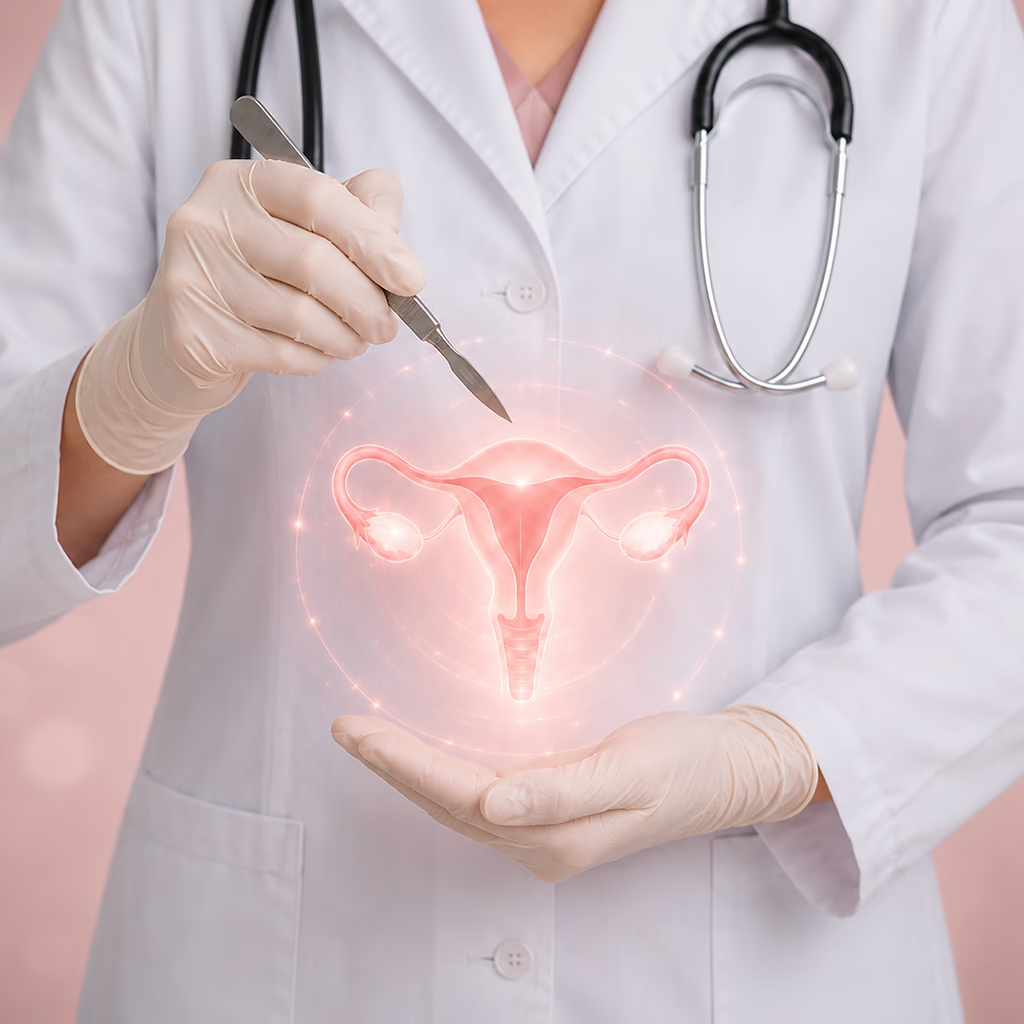
1. Myomectomy (Fibroid Removal Surgery)
Purpose: To remove uterine fibroids while preserving the uterus.
Overview:
Myomectomy is a fertility-sparing surgery that eliminates fibroids (non-cancerous growths in the uterus) without affecting the surrounding healthy uterine tissue. It helps restore normal uterine shape, improves chances of conception, and relieves symptoms like heavy bleeding and pelvic pain.
Types:
- Laparoscopic Myomectomy: Performed using small incisions with the help of a laparoscope.
- Hysteroscopic Myomectomy: Fibroids inside the uterine cavity are removed through the vagina and cervix without external incisions.
- Open Myomectomy: Used for very large or multiple fibroids.
Fertility Benefit: Preserves the uterus and enhances the chances of natural pregnancy post-surgery.
2. Ovarian Cystectomy (Ovarian Cyst Removal Surgery)
Purpose: To remove cysts from the ovaries while preserving healthy ovarian tissue and egg reserve.
Overview:
Ovarian cystectomy is a laparoscopic procedure where only the cyst is removed, keeping the rest of the ovary intact. It is often recommended for endometriotic cysts
endometriomas), dermoid cysts, or functional cysts that affect ovulation.
Procedure:
Using laparoscopy, the cyst wall is carefully separated from the ovarian tissue, ensuring minimal damage to follicles.
Fertility Benefit: Maintains ovarian function and hormonal balance, preventing premature decline in fertility.
3. Laparoscopic Endometriosis Surgery
Purpose: To treat endometriosis, relieve pain, and restore normal pelvic anatomy for conception.
Overview:
Endometriosis is a condition where uterine lining tissue grows outside the uterus, often on the ovaries, fallopian tubes, or pelvic walls. Laparoscopic excision or ablation helps remove these lesions and adhesions.
Procedure:
The surgeon identifies and excises endometrial implants, cysts, and adhesions using precision energy devices,
freeing the fallopian tubes and ovaries.
Fertility Benefit: Improves egg quality, ovulation, and natural conception rates while reducing the risk of recurrent pelvic damage.
4. Tubal Recanalization (Fallopian Tube Surgery)
Purpose: To reopen blocked fallopian tubes and restore natural fertility.
Overview:
This surgery is ideal for women with tubal blockages due to infections, previous sterilization, or pelvic adhesions.
Procedure:
Using laparoscopy or microsurgery, the blocked segment of the fallopian tube is repaired or reconnected. Adhesions are removed to restore tubal patency.
Fertility Benefit: Enables natural conception by allowing eggs to travel from the ovary to the uterus.
4 . Laparoscopic Adhesiolysis
Purpose: To remove pelvic adhesions that interfere with fertility.
Overview:
Pelvic adhesions (bands of scar tissue) can result from infections, previous surgeries, or endometriosis. These adhesions can distort reproductive anatomy and block egg movement.
Procedure:
During laparoscopy, fine instruments are used to cut and separate adhesions while preserving nearby structures like tubes and ovaries.
Fertility Benefit: Restores normal pelvic anatomy, improving egg pickup and fertilization chances.
6. Hysteroscopic Septal Resection
Purpose: To correct a uterine septum (congenital partition) that can cause infertility or recurrent miscarriages.
Overview:
A uterine septum divides the uterine cavity partially or completely, reducing implantation space.
Procedure:
Using a hysteroscope, the septum is precisely cut under direct vision, and the uterine cavity is normalized.
Fertility Benefit: Enhances implantation potential and reduces the risk of recurrent pregnancy loss.
7. Cervical Cerclage (for Cervical Incompetence)
Purpose: To prevent miscarriage or preterm delivery in women with a weak cervix.
Overview:
Cervical cerclage involves placing a stitch around the cervix to keep it closed during pregnancy.
Procedure:
- Vaginal Cerclage (McDonald/Shirodkar): Done via the vaginal route before or early in pregnancy.
- Laparoscopic Cerclage: A more advanced, fertility-preserving option placed higher on the cervix, suitable for women with previous cerclage failures.
Fertility Benefit: Preserves the uterus and supports successful full-term pregnancies.
8. Fertility-Sparing Surgery for Early-Stage Gynecologic Cancers
Purpose: To treat early-stage ovarian, cervical, or endometrial cancers while maintaining fertility.
Examples:
- Radical Trachelectomy: Removal of the cervix while preserving the uterus (for early-stage cervical cancer).
- Ovarian Tissue Preservation / Unilateral Oophorectomy: Removal of one ovary while keeping the other functional.
- Conservative Endometrial Surgery: For early-stage endometrial cancer, where the uterus is retained under hormonal therapy.
Fertility Benefit: Allows women to conceive naturally or via assisted reproduction post-treatment.
9. Hysteroscopic Polypectomy and Endometrial Resection
Purpose: To remove uterine polyps or overgrown endometrial tissue that affects implantation.
Overview:
Hysteroscopic removal of endometrial polyps improves the receptivity of the uterine lining and enhances the success rates of natural conception and IVF.
Fertility Benefit: Clears the uterine cavity, improving embryo implantation and pregnancy outcomes.