
Laparoscopic Tubal Surgeries · Ludhiana, Punjab

Hydrosalpinx Treatment

Advanced laparoscopic and fertility-preserving techniques to accurately diagnose and treat hydrosalpinx — helping women regain their reproductive potential and improve IVF success rates.

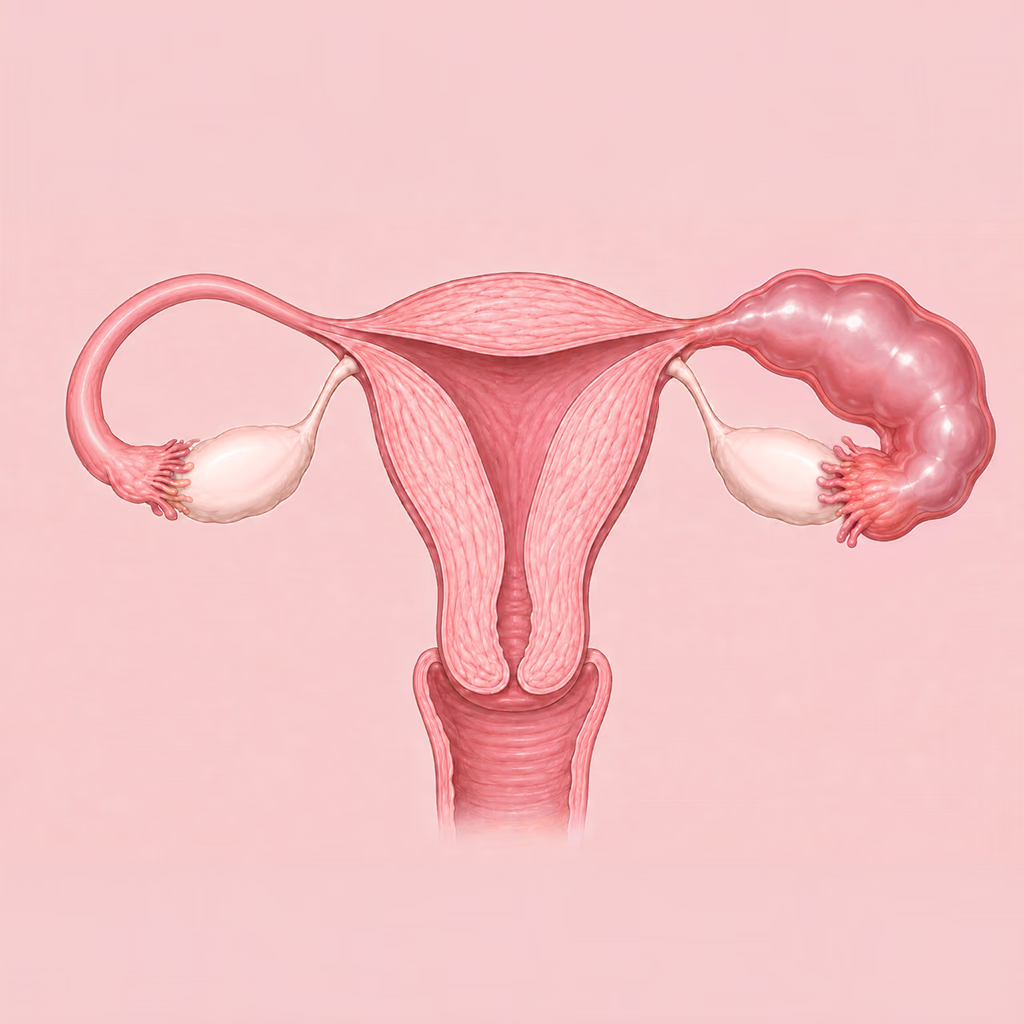
Understanding hydrosalpinx

Hydrosalpinx is a condition in which a woman's fallopian tube becomes blocked and filled with fluid, usually due to previous infection, inflammation, or pelvic disease. The term comes from "hydro" meaning water and "salpinx" meaning tube. This trapped fluid distends the tube and prevents the normal passage of the egg and sperm, thereby causing infertility. At Dr. Rama Sofat Hospital, our experts use advanced laparoscopic and fertility-preserving techniques to accurately diagnose and treat hydrosalpinx — helping women regain their reproductive potential and improve IVF success rates when needed.

Causes & risk factors

  • Pelvic Inflammatory Disease (PID) from bacterial infections such as chlamydia or gonorrhea
  • Previous pelvic or abdominal surgery, leading to scarring or adhesions
  • Endometriosis, which may cause inflammation and tubal blockage
  • Genital Tuberculosis, a major cause in developing countries like India
  • Previous ectopic pregnancy or ruptured appendix
  • Long-standing untreated pelvic infections

Risk factors include multiple sexual partners, unprotected intercourse, recurrent pelvic infections, or previous infertility surgeries.

Symptoms

Hydrosalpinx often produces no obvious symptoms, and many women discover it only during infertility evaluations. However, some may experience:

  • Difficulty conceiving
  • Pelvic or lower abdominal pain
  • Watery vaginal discharge (in some cases)
  • Discomfort during periods or sexual intercourse
  • History of pelvic infections or past surgery

Even when asymptomatic, hydrosalpinx can severely affect fertility and IVF outcomes, making early diagnosis essential.

Diagnosis

  • Ultrasound / Sonohysterography (SSG) — can reveal dilated, fluid-filled tubes
  • Hysterosalpingography (HSG) — X-ray test using contrast dye to assess tubal patency and identify blockages
  • Laparoscopy with chromopertubation — the gold-standard diagnostic procedure, where a thin camera is inserted through the abdomen and dye is passed through the uterus to visualize fluid flow and confirm blockage

This approach also allows direct treatment during the same sitting if hydrosalpinx is detected.

Impact on fertility

Hydrosalpinx significantly affects a woman's ability to conceive both naturally and through IVF:

  • The blocked tube prevents the egg and sperm from meeting
  • The toxic fluid inside the hydrosalpinx can leak into the uterus, reducing embryo implantation and IVF success rates
  • Studies show that untreated hydrosalpinx can reduce IVF success by up to 50%

Timely surgical management before attempting IVF is crucial for restoring fertility potential.

When to see a doctor

  • Have been trying to conceive for more than 6–12 months without success
  • Have had previous pelvic infections, endometriosis, or abdominal surgery
  • Experience chronic pelvic pain or unusual discharge
  • Have been diagnosed with blocked tubes or hydrosalpinx on an HSG or ultrasound

Early evaluation by an experienced fertility and laparoscopic specialist ensures better outcomes.

Treatment options

01

Medical Management

If infection or inflammation is ongoing, antibiotics and anti-inflammatory medications are prescribed first. However, once the tube is filled with fluid or scarred, medical treatment alone cannot reopen it, and surgery is required.

02

Laparoscopic Surgery for Hydrosalpinx

Laparoscopic surgery is the gold standard treatment for hydrosalpinx. It is minimally invasive, precise, and performed under general anesthesia through tiny keyhole incisions. Surgical techniques include:

Laparoscopic Salpingostomy

A small opening is created at the end of the blocked tube to drain fluid and restore patency. Suitable for mild to moderate cases.

Laparoscopic Salpingectomy

The damaged tube is removed entirely if it is beyond repair or affecting IVF outcomes.

Laparoscopic Fimbrioplasty

The fimbrial end (the delicate end of the tube) is reconstructed if the damage is localized.

Adhesiolysis

Any adhesions around the tubes and ovaries are carefully cut to restore anatomy.

At Dr. Rama Sofat Hospital, every laparoscopic procedure is performed using high-definition 4K HD systems, ensuring precision and maximum fertility preservation.

03

IVF (In Vitro Fertilization) When Required

In severe or recurrent cases where both tubes are damaged or removed, IVF offers an excellent alternative for conception. Before IVF, hydrosalpinx fluid must be addressed — either by laparoscopic clipping or salpingectomy — to improve implantation and pregnancy success rates. At Dr. Rama Sofat Hospital, the laparoscopic and IVF teams work together, offering a seamless, stepwise approach from diagnosis to conception.

Prevention & lifestyle management

  • Timely treatment of pelvic infections
  • Safe sexual practices to prevent STDs
  • Avoiding multiple sexual partners
  • Regular gynecological check-ups
  • Maintaining hormonal balance and a healthy lifestyle

Early intervention and awareness play a vital role in preserving fertility and preventing irreversible damage.

Myths vs facts

Myth

Fact

Hydrosalpinx always causes pain.
Many women have silent hydrosalpinx without symptoms.
Tubal blockage means I can never conceive.
Many women conceive naturally or with IVF after proper treatment.
Surgery for hydrosalpinx is risky.
Modern laparoscopic surgery is safe, quick, and minimally invasive.
IVF success is not affected by hydrosalpinx.
Untreated hydrosalpinx can significantly reduce IVF success rates.

Frequently asked questions

Can hydrosalpinx be cured without surgery?

No, once fluid accumulates in the tube, it usually requires laparoscopic correction or removal.

Can I conceive naturally after surgery?

Yes, if at least one tube is healthy and functional, natural conception is possible.

Is laparoscopic surgery painful?

It is performed under anesthesia, with minimal post-operative discomfort and quick recovery.

What if both tubes are removed?

You can still conceive through IVF, as the uterus and ovaries remain functional.

How long after surgery can I try for pregnancy?

Usually after 2–3 months, depending on your recovery and doctor's advice.

Why choose Dr. Rama Sofat Hospital

Pioneers in fertility and laparoscopic gynecologic care with over 55 years of excellence
Expert team led by Dr Amit Sofat & Dr Ruchika Sofat, combining advanced laparoscopic precision with compassionate fertility care
Comprehensive in-house facilities: 4K HD laparoscopy, fertility lab, and IVF center under one roof
Tailored treatment plans: Individualized approach to preserve fertility and enhance conception success
High success rates and trusted legacy of thousands of successful pregnancies

Book your consultation

If you have been diagnosed with hydrosalpinx or are struggling to conceive, book your consultation at Dr. Rama Sofat Hospital, Ludhiana.

Book Now